Overbite Correction for a Confident and Healthy Smile
Understanding Overbite
An overbite occurs when the upper front teeth excessively overlap the lower front teeth. It is one of the most common dental conditions and can range from mild to severe. While a slight overbite is natural, a pronounced overbite can cause jaw discomfort, uneven tooth wear, and difficulty chewing or speaking. Causes of overbite include genetics, childhood habits like thumb-sucking or prolonged pacifier use, and sometimes improper jaw development. Understanding these causes is essential to address the problem effectively and maintain overall oral health.
Signs and Symptoms of an Overbite
Recognizing this dental issue early can prevent long-term complications. Common symptoms include noticeable misalignment of teeth, difficulty biting or chewing food, jaw pain, and frequent wear on specific teeth. In severe cases, the lower teeth may bite into the roof of the mouth, causing discomfort and potential damage to the palate. This condition can also affect speech, leading to difficulty pronouncing certain words. Early detection through regular dental checkups is critical to ensure timely intervention and prevent further oral health issues.
Daily Care for Overbite
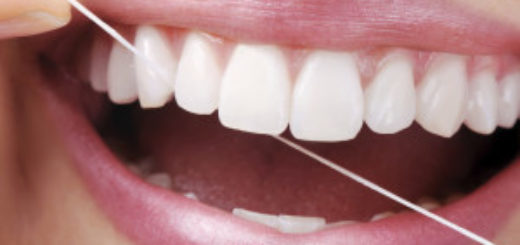
Proper oral hygiene is crucial for managing this dental condition. Brushing teeth at least twice a day using fluoride toothpaste helps remove plaque buildup and protect enamel. It is important to use a soft-bristled toothbrush to avoid damaging the gums and reach areas around misaligned teeth. Flossing daily removes food particles and plaque from spaces that brushing alone cannot reach. Additionally, using an antibacterial mouthwash can help reduce harmful bacteria, lower the risk of gum disease, and maintain fresh breath. Following your dentist’s instructions for orthodontic appliances or retainers also helps guide teeth into proper alignment and protects them from unnecessary wear.
Treatment Options for Overbite
Overbite correction depends on the severity of the condition and the patient’s age. Mild cases are often managed with braces or clear aligners, which gradually shift teeth into proper alignment. For more severe overbites, orthodontic appliances such as expanders or even surgical interventions may be necessary to correct jaw positioning. Treatment plans are always customized based on the patient’s specific needs and the extent of the overbite. Early intervention in childhood or teenage years can be particularly effective, but adults can also benefit from modern orthodontic solutions.
Importance of Regular Dental Checkups
Routine dental visits are essential for monitoring the progress of overbite correction and ensuring oral health is maintained. Professional checkups allow dentists to detect early signs of complications such as uneven tooth wear, gum disease, or jaw strain. Early detection helps prevent more complex dental issues and allows for timely adjustments to treatment plans. For personalized guidance on overbite management and correction, you can reach out to the clinic through their official contact page:
https://www.drsunildental.com/contactus.php
Benefits of Correcting an Overbite
Correcting this dental condition provides both functional and aesthetic benefits. Proper alignment reduces jaw strain and discomfort, improves the ability to chew and speak effectively, and prevents excessive wear on certain teeth. It also enhances the overall appearance of the smile, boosting confidence and self-esteem. Long-term benefits include healthier teeth and gums, reduced risk of dental injuries, and overall improved oral function. Addressing this condition early ensures better results, a more balanced bite, and a healthier, confident smile for years to come.
Conclusion
This dental issue is a common concern that, if left untreated, can lead to discomfort, tooth damage, and oral health complications. With proper daily care, regular dental visits, and the right treatment plan, this condition can be effectively managed or corrected. Maintaining good oral hygiene, following orthodontic advice, and seeking professional guidance are essential steps for achieving a healthier smile and preventing long-term dental problems. Early intervention and consistent care ensure that you enjoy the functional and aesthetic benefits of a properly aligned bite.