Cavity Filling Cost: What to Know About Tooth Cavities
Cavity Filling Cost Guide
Dental cavities are common, but modern treatment makes restoration simple and effective. Many patients hesitate to visit a dentist because they are unsure about the cavity filling cost. Understanding what influences pricing helps remove fear and encourages early treatment. Filling a cavity promptly prevents deeper decay, pain, and expensive procedures later. Investing in preventive care today protects both oral health and long-term finances.
What Affects Cavity Filling Cost
Several factors influence the final treatment price. The size of the cavity, the material used, and the tooth’s location all play a role. Front teeth often require aesthetic materials, while molars need stronger restorations. Dentists recommend options based on durability, appearance, and function. Choosing the right material balances affordability with long-term performance. Patients can contact the clinic to receive a personalized estimate and professional guidance.
Material Choices
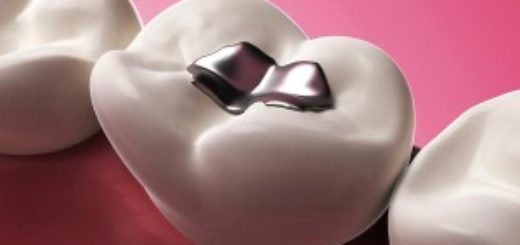
Composite fillings match natural tooth color and provide strong bonding. Amalgam fillings remain durable and cost-effective for back teeth. Ceramic and gold options offer longevity at a higher price point. Each material affects the overall treatment expense, but the goal is always to restore strength and comfort. A dentist helps patients choose a solution suited to their needs and budget.
Why Early Treatment Saves Money
Ignoring small cavities allows decay to spread deeper into the tooth. Early intervention keeps the cavity filling cost manageable and prevents root canals or crowns. Minor restorations are faster, less invasive, and easier to maintain. Preventive care reduces future expenses while protecting natural tooth structure.
The Role of Checkups
Routine dental visits detect cavities before pain appears. Regular cleanings and exams reduce the likelihood of advanced decay. Monitoring oral health consistently stabilizes the long-term cavity filling cost by preventing emergency treatments. Early detection remains the most economical strategy.
Insurance and Payment Options
Many dental insurance plans cover a portion of restorative procedures. Flexible payment programs make treatment accessible for more patients. Understanding financial options helps individuals plan for the expected cavity filling cost without delaying care. Transparent communication with dental clinics prevents surprises and builds trust.
Budget-Friendly Planning
Scheduling routine cleanings reduces the risk of multiple cavities. Preventive hygiene supports enamel strength and limits restorative needs. Long-term planning lowers the total cavity filling cost by minimizing future damage. Smart budgeting and consistent dental habits protect both teeth and finances. Patients who maintain structured dental visits often avoid emergency procedures that carry higher expenses. Professional cleanings remove hardened plaque that brushing alone cannot eliminate. Over time, this preventive approach stabilizes oral health, improves comfort, and preserves natural teeth. Investing in routine care creates predictable costs and reduces the emotional stress associated with unexpected dental treatment.
Long-Term Value of Treatment
A well-placed filling restores chewing function and prevents infection. Professional restorations extend the life of natural teeth. Viewing the cavity filling cost as an investment encourages timely action. Proper treatment avoids complications that require more expensive solutions later. Patients who maintain regular dental care experience fewer emergencies and greater long-term stability. A strong restoration protects surrounding teeth, supports bite balance, and preserves overall oral structure. Consistent follow-up visits ensure fillings remain intact and functional. By addressing decay early, individuals reduce discomfort, maintain confidence, and protect their smile while avoiding unnecessary financial strain in the future.
Protecting Your Smile
Healthy teeth support confidence and daily comfort. Addressing decay quickly keeps the cavity filling cost predictable and manageable. With early care and regular maintenance, patients preserve strong teeth for decades. Prevention remains the most affordable dental strategy. Daily brushing, flossing, and mindful eating habits strengthen enamel and reduce bacterial buildup. Regular checkups allow dentists to identify weak areas before they develop into cavities. Patients who commit to preventive care experience fewer restorative procedures and enjoy more stable oral health. Consistent attention to hygiene protects both appearance and function, ensuring a comfortable smile that lasts throughout life.