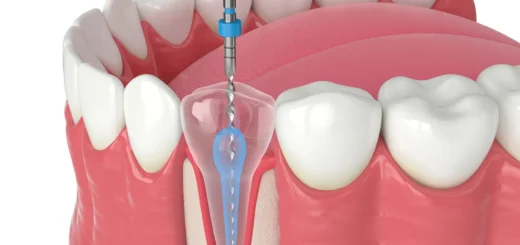
Tooth Root Decay – Prevention & Treatment
Tooth Root Decay Guide
Healthy enamel protects the visible part of teeth, but the roots remain vulnerable when exposed. Tooth root decay occurs when bacteria attack the softer surface beneath the gum line. Unlike regular cavities, root damage progresses faster because this area lacks strong enamel protection. Early awareness is essential to prevent pain, infection, and tooth loss. With proper hygiene and professional care, patients can slow or reverse early stages and preserve long-term oral health.
Tooth Root Decay Causes
Gum recession is one of the main causes of exposed roots. When tissue pulls away, bacteria gain easier access to sensitive surfaces. A developing case of tooth root decay often begins silently, without obvious pain. Aging, aggressive brushing, and untreated gum disease increase vulnerability. Dentists monitor gum levels carefully because early intervention significantly improves outcomes. Patients may also notice slight sensitivity when brushing or eating certain foods, which can signal early root exposure. Gentle hygiene techniques, regular professional cleanings, and protective treatments help slow progression. Addressing gum health early preserves tooth stability and reduces the likelihood of advanced restorative procedures in the future.
Warning Signs
Increased sensitivity to hot, cold, or sweet foods may indicate root damage. Discoloration near the gum line is another early clue. Recognizing tooth root decay at this stage allows conservative treatment before deeper infection spreads. Mild discomfort should never be ignored, as root surfaces deteriorate quickly once bacteria take hold. Patients might also experience tenderness while brushing or a rough texture along the gum line. These subtle changes often progress gradually, making regular dental checkups essential for detection. Early protective fillings, fluoride therapy, and improved hygiene habits can stabilize vulnerable areas and prevent long-term structural weakening.
Professional Treatment Options
Dentists treat root cavities using protective fillings that seal exposed surfaces. Fluoride applications strengthen vulnerable areas and slow progression. A structured plan for managing root damage may include antimicrobial rinses or gum therapy. Modern techniques focus on preserving natural tooth structure whenever possible. Early treatment reduces the need for complex restorations later. Dentists also educate patients about preventive maintenance to protect treated areas. Follow-up visits help monitor healing and ensure bacteria remain under control. With consistent professional care and improved home hygiene, patients can stabilize root surfaces and significantly extend the lifespan of their natural teeth.
Role of Preventive Technology
Digital imaging and laser tools help dentists detect hidden root damage with precision. Incorporating technology into advanced root care improves accuracy and patient comfort. Early detection tools allow targeted care before symptoms escalate. High-resolution scans reveal microscopic changes that are invisible during routine exams, allowing dentists to intervene sooner. Laser-assisted treatments reduce discomfort, minimize tissue disruption, and promote faster healing. These advancements create a more predictable treatment experience, helping patients feel confident about early intervention. Technology-driven monitoring also supports long-term prevention by tracking subtle changes and guiding personalized care plans.
Home Care Protection
Daily habits play a crucial role in protecting exposed roots. Soft brushing prevents further gum recession. Antibacterial rinses reduce harmful bacteria. A consistent hygiene routine supports professional efforts against tooth root decay. Patients should choose toothpaste designed for sensitivity to reinforce root surfaces.
Diet and Lifestyle Factors
Frequent sugar intake fuels bacterial growth near the gum line. Smoking and dehydration worsen vulnerability. Preventive strategies combined with awareness of tooth root decay risk reduce recurrence. Balanced nutrition and hydration strengthen saliva’s natural protective function.
Long-Term Maintenance
Regular dental visits remain the strongest defense against root damage. Dentists track changes and reinforce protective measures. A long-term prevention plan for tooth root decay includes professional cleaning and monitoring. Maintenance care preserves natural teeth and reduces complications.
Protecting Your Smile
Strong roots anchor teeth and support comfortable chewing. Addressing tooth root decay early protects both function and appearance. With disciplined hygiene and expert care, patients can maintain stable oral health for decades. Prevention is always more effective than repair.