Common Dental Implant Complications
Dental Implant Complications
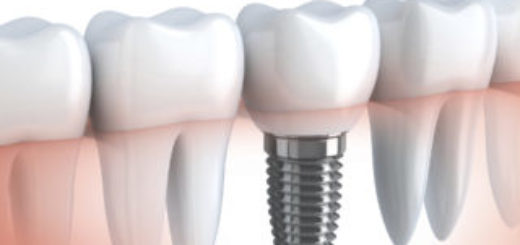
Dental implants are widely regarded as one of the most reliable and advanced methods for replacing missing teeth. They offer durability, natural appearance, and excellent functionality. However, like any surgical treatment, it is important to understand the potential dental implant complications before moving forward. With more than a decade of experience treating patients, I believe in educating individuals about both the advantages and limitations of implant dentistry. Whether you are considering a full-mouth implant, bone grafting, or an immediate load implant, being aware of possible challenges will help you make an informed decision.
The Cost Factor: A Major Concern for Many Patients
One of the biggest disadvantages of dental implants is the cost. Many patients hesitate when they learn about the price of implant crowns, bone grafts, sinus lifts, or complex surgical procedures. The total cost depends on factors such as case complexity, the number of implants required, and the patient’s overall oral condition.
Expertise also affects pricing. Implant procedures should always be performed by an experienced implant specialist with years of surgical training. While their advanced skills reduce the risk of dental implant complications, their services may be more expensive. Before choosing a dentist, research their qualifications, experience, and success rates to ensure the best possible care.
If you want to learn more about trusted implant services, you may visit the official site: Dr. Sunil Dental
Insurance Limitations: What Many Patients Don’t Expect
Another significant disadvantage is the lack of insurance coverage. Most dental insurance plans do not cover implants, sinus lifts, bone grafting, or related surgical procedures. Even when partial coverage is offered, yearly limits tend to be too low to meaningfully reduce the total expense.
This often surprises patients who assume implants are part of routine restorative care. While insurance remains valuable for preventive and general treatments, it rarely helps with implant-related costs. Knowing this beforehand helps prevent frustration and allows you to plan financially.
Surgery Is Mandatory—And Carries Certain Risks
Unlike removable dentures or bridges, dental implants require surgery because the implant must be anchored into the jawbone. Although implant surgery is generally safe with high success rates, it still carries a potential 5–10% complication risk.
Common surgical risks include:
- Infection at the implant site
- Prolonged bleeding
- Damage to nearby teeth
- Nerve injury causing numbness or tingling
- Delayed bone healing
- Sinus complications (for upper-jaw implants)
- Rare cases of jawbone fracture
These risks emphasize the importance of choosing a highly trained implant surgeon who can minimize complications and manage unexpected issues effectively. For additional guidance, you may find our dental implant aftercare tips helpful.
The Concern of Bone Loss Over Time
Bone loss around the implant is another potential disadvantage. Although implants stimulate the jawbone like natural teeth, bone deterioration can still occur due to improper placement, infection, poor oral hygiene, or underlying medical conditions.
This long-term complication highlights the need for regular dental checkups and consistent home-care practices. Dental implants require lifelong maintenance for the best outcome.
Implants Take Time to Heal and Integrate
Dental implants are not an instant solution. They require months of healing while the implant fuses with the jawbone—a process called osseointegration. Healing time varies based on age, bone density, and overall health.
During this period, temporary restorations may be used, and patients must follow strict care guidelines to prevent implant failure or other dental implant complications.
Final Thoughts
Dental implants offer life-changing benefits, but understanding their disadvantages is essential. Costs, insurance limitations, surgical risks, healing duration, and long-term maintenance all play a role in successful treatment.
By educating yourself and choosing a well-qualified implant surgeon, you can significantly reduce risks and improve your overall results. With proper care and realistic expectations, dental implants remain one of the most transformative treatments in modern dentistry.