Why a Dental Safety Goal Matters
Dental Safety Goal for a Healthier Smile
Setting a clear dental safety goal is one of the most important steps you can take to protect your long-term oral health. Whether you’re focusing on preventing cavities, improving gum health, or maintaining proper alignment, having a structured plan helps you stay consistent with healthy habits. A dental safety goal gives direction, encourages better hygiene practices, and reduces the risk of major dental issues later in life. For both children and adults, this approach plays a vital role in supporting strong, healthy teeth and gums.
Why a Dental Safety Goal Matters
A well-defined plan ensures that you pay attention to the most essential aspects of oral health. Many dental problems—such as tooth decay, gum disease, and enamel erosion—can be prevented with early care and consistent hygiene. When individuals follow a structured routine, they are more likely to adopt habits that reduce plaque buildup, strengthen enamel, and protect the gums. This proactive mindset helps avoid expensive treatments and supports long-term dental well-being.
Key Components of a Strong Dental Safety Goal
A successful dental safety goal includes several core components, beginning with daily hygiene practices. Brushing twice a day with fluoride toothpaste removes plaque and prevents cavities. Flossing once a day clears debris and bacteria from between teeth, supporting gum health. Using mouthwash adds an extra layer of protection against harmful bacteria. Each of these practices forms the foundation of an effective dental safety goal, helping ensure your teeth and gums stay healthy throughout life.
Nutrition is another major factor. A balanced diet rich in vitamins, minerals, and antioxidants contributes significantly to oral health. Foods high in sugar or acid can damage tooth enamel, so limiting sugary snacks and beverages is essential. Hydration also plays a key role in achieving your dental safety goal, as drinking enough water keeps your mouth clean and supports saliva production, a natural defense against bacteria.
Professional Care and Monitoring
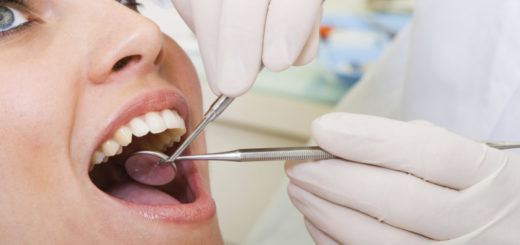
Regular dental visits are crucial for maintaining good oral health. Dentists can identify early signs of decay, gum inflammation, misalignment, or enamel erosion before they become more serious. Professional cleanings remove plaque and tartar buildup that brushing and flossing alone cannot eliminate. Scheduling checkups every six months ensures your progress is monitored and your oral health stays on track.
Preventive Treatments That Support Your Goal
Preventive dental treatments significantly enhance your oral health. Fluoride treatments strengthen the enamel and help protect teeth from decay. Dental sealants, especially beneficial for children, prevent bacteria from settling in the grooves of molars. Orthodontic evaluations also help by identifying alignment issues early, preventing future complications such as uneven wear, jaw pain, or improper bite patterns.
Daily Habits That Improve Oral Health
Beyond brushing and flossing, several habits enhance your dental safety goal. Avoiding smoking and tobacco products reduces the risk of gum disease and oral cancer. Reducing the consumption of acidic drinks like soda protects enamel from erosion. Chewing sugar-free gum can boost saliva production, which helps wash away harmful bacteria. Each of these habits contributes to a healthier mouth and supports long-term success with your dental safety goal.
Creating a Dental Safety Goal for Kids
For children, a dental safety goal is especially important because it helps establish lifelong habits. Early dental visits allow dentists to monitor tooth development, recommend preventive care, and address alignment issues before they worsen. Encouraging kids to brush twice a day, floss regularly, and follow healthy eating habits builds a strong foundation for lifelong oral health. Parents can support their child’s dental safety goal by ensuring regular dental checkups and promoting consistent routines.
How to Stay Consistent With Your Goal
Consistency is the key to achieving any dental safety goal. Setting reminders, using dental tracking apps, or creating a daily routine can make hygiene habits easier to maintain. If challenges arise—such as sensitivity, discomfort, or gum irritation—consulting a dentist ensures the issue is addressed quickly. Staying committed to your dental safety goal results in healthier teeth, fresher breath, stronger gums, and reduced dental expenses over time.
Final Thoughts
A strong dental safety goal is essential for maintaining healthy teeth and gums throughout your life. By focusing on preventive care, consistent hygiene, proper nutrition, and regular professional visits, you reduce the risk of serious dental problems and protect your natural smile. Taking small daily steps makes achieving your dental safety goal easier, more effective, and long-lasting. For expert guidance and personalized care, visit Dr. Sunil Dental Clinic.