Root Canal Treatment Cost Bangkok and Aftercare Guide
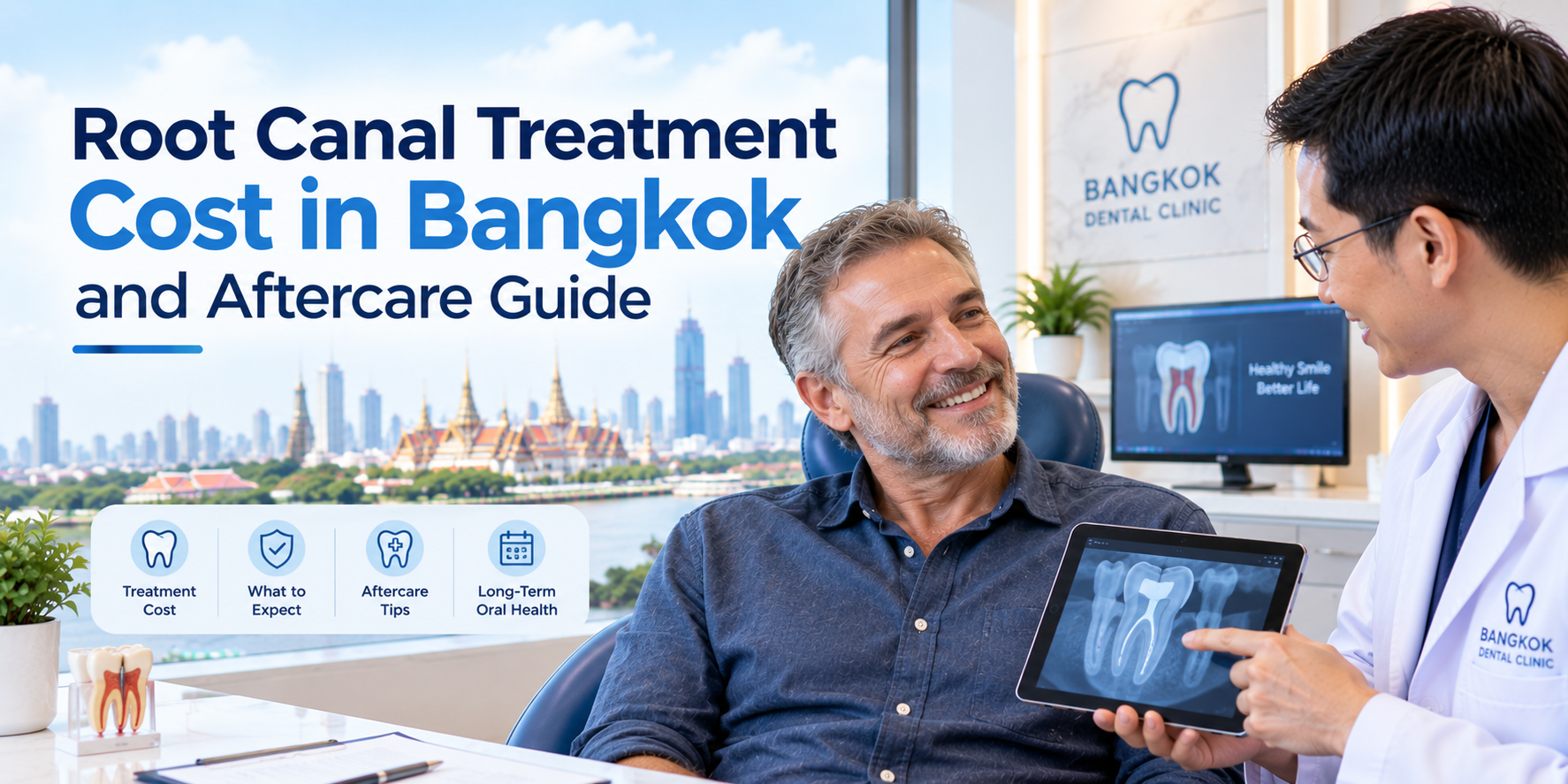
Dealing with continuous tooth pain, temperature sensitivity, or an underlying infection can make daily life difficult. If your dentist recommends root canal therapy (endodontics), understanding the root canal treatment cost in Bangkok, procedure timelines, and aftercare guidelines helps you plan your trip from Australia with complete peace of mind.
For Australian patients, traveling to Thailand for specialist endodontic care offers substantial savings without compromising on clinical standards or technological quality.
How much does root canal treatment cost in Bangkok?
Understanding the overall investment for a root canal requires looking beyond a single initial figure. Treatment fees vary depending on the specific tooth, the number and shape of its root canals, and whether the case is straightforward or involves complex infection control.
For transparent benchmark pricing, you can review published rate schedules. For example, Dr. Sunil International Dental Clinic lists specialist endodontic treatment between ฿12,000 and ฿16,000 THB for a single-visit procedure. To explore comprehensive package breakdowns and material details, you can view Dr. Sunil International Dental Clinic’s official dental price list.
When comparing prices, ask whether the quote includes:
- The dental examination and X-rays
- Root canal treatment
- A temporary filling, if needed
- The final filling or dental crown
A crown may be recommended after root canal treatment and may be charged separately, depending on the tooth and how much healthy tooth structure remains.
What affects the final treatment price?
Not every root canal is the same. Front teeth often have fewer canals, while molars commonly have several, making treatment more involved.
Your final cost depend on:
- Tooth location: Front teeth, premolars and molars can have different fees.
- Infection and complexity: Curved, narrow or blocked canals may require additional work.
- Previous treatment: A tooth that needs root canal retreatment can be more complicated.
- Restoration after treatment: A filling, post or crown may be recommended to restore strength and function.
For an accurate estimate, ask the dentist to separate the root canal fee from any restoration costs. This gives you a clearer picture of the total rather than just the initial procedure price.
How many appointments will you need?
Some root canal treatments can be completed in one appointment, while others require two or more visits. The decision depends on the tooth, the extent of infection and how it responds to treatment.
During the procedure, the dentist removes the infected or inflamed pulp, cleans and shapes the canals, then seals them. The tooth is subsequently restored with a suitable filling or, when needed, a crown.
If you are travelling from Australia specifically for treatment, discuss the likely number of appointments before booking flights. Leave room for changes to the plan, and do not assume that the root canal and final crown will always be completed during the same visit.
Essential aftercare guidelines for a smooth recovery
Following clear post-treatment aftercare protects your tooth and ensures a comfortable recovery:
1. Managing Post-Treatment Discomfort
- Mild tenderness around the jaw or surrounding gums is normal for 2 to 4 days as tissue inflammation subsides.
- Take prescribed anti-inflammatory medication or standard over-the-counter painkillers as recommended by your endodontist.
2. Dietary Care
- Avoid Chewing on the Treated Tooth: Refrain from biting hard foods on the treated side until your final permanent crown is cemented.
- Choose Soft Foods: Eat lukewarm soups, smoothies, soft pasta, eggs, and yogurt for the first 24 to 48 hours.
3. Oral Hygiene
- Continue brushing and flossing gently around adjacent teeth to keep the treated area clean.
- Rinse gently with warm salt water (1/2 teaspoon of salt in warm water) twice daily starting 24 hours after treatment to soothe surrounding gums.
Contact your dentist if pain or swelling worsens, your bite feels uneven, or a temporary filling comes out. Significant facial swelling, fever or difficulty swallowing or breathing needs urgent assessment; breathing or swallowing difficulty is an emergency.
Warning signs: When to contact your clinic
Contact your dental team immediately if you experience any of these symptoms after treatment:
- Severe pain that does not respond to prescribed medication.
- Visible swelling along your jaw, cheek, or gumline.
- A loose or dislodged temporary filling.
- An uneven bite sensation when closing your teeth together.
How should Australian patients plan treatment in Bangkok?
If you already live in Thailand, local follow-up may be easier to arrange. If you are visiting from Australia, consider the full treatment schedule, accommodation, time away from work and the possibility of an extra appointment.
Before travelling, ask for:
- A written treatment plan
- An itemised estimate
- Copies of your X-rays and dental records
- An expected treatment timeline
- Details of any follow-up care you may need
If you plan to continue your dental care in Australia, ask how your records can be shared with your dentist there. Having your treatment information available can make follow-up care easier after you return home.
Considering root canal treatment in Bangkok?
At Dr. Sunil International Dental Clinic, we can assess your tooth, explain the available treatment options and discuss the expected cost and treatment timeline with you. This gives you a clearer idea of what your treatment may involve before you decide.
If you are travelling from Australia or already living in Thailand, contact us to arrange a consultation and discuss your root canal treatment needs with our team.