Tooth Enamel Loss: Causes, Prevention, and Restoration
What Is Tooth Enamel Loss?
Tooth enamel is the hardest tissue in the human body, yet it is highly susceptible to damage. Our daily habits, eating patterns, and environmental factors play a significant role in the health of our enamel. Understanding tooth enamel loss and how to restore it is essential for maintaining a healthy, confident smile. Early detection, proper oral hygiene, and professional dental care can prevent further erosion, reduce sensitivity, and protect against cavities, ensuring long-term dental health and preserving the natural strength and appearance of your teeth.
What Is Tooth Enamel Loss?
Tooth enamel loss occurs when the protective outer layer of your teeth starts to wear down. Enamel shields your teeth from bacteria, acids, and physical wear. When it deteriorates, teeth become more vulnerable to decay, sensitivity, and discoloration. While enamel cannot regenerate naturally, early intervention and proper care can prevent further damage.
Common Causes of Tooth Enamel Loss
- Dietary habits: Consuming acidic foods and beverages such as citrus, sodas, energy drinks, and fruit juices erodes enamel over time.
- Brushing habits: Brushing too hard or using a hard-bristled toothbrush can cause enamel abrasion.
- Teeth grinding (Attrition): Clenching or grinding your teeth damages enamel, especially during sleep.
- Environmental factors: Exposure to certain chemicals, medications, or frequent vomiting due to illness can accelerate enamel loss.
- Plaque and bacteria: Acid-producing bacteria in plaque attack enamel, leading to decay.
- Lifestyle choices: Smoking, chewing tobacco, and excessive alcohol consumption increase the risk of enamel erosion.
Signs and Symptoms
If you experience any of the following, you might be suffering from tooth enamel loss:
- Tooth sensitivity to hot, cold, or sugary foods and drinks
- Discoloration or yellowing of teeth (dentin exposure)
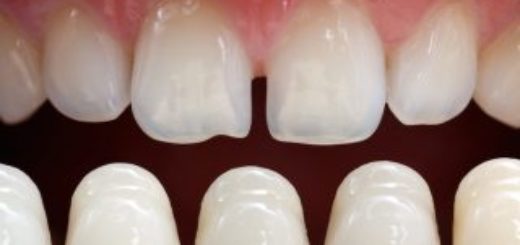
- Chipped, cracked, or uneven teeth
- Pain or discomfort while chewing
- Increased cavity formation
Early detection of tooth enamel loss is crucial to prevent long-term dental complications.
How to Prevent Tooth Enamel Loss
Preventing enamel erosion requires consistent oral care and lifestyle modifications:
- Brush teeth twice daily with a soft-bristled toothbrush
- Floss at least once a day to remove food particles and plaque
- Use fluoride-based mouthwash to strengthen enamel
- Limit consumption of acidic and sugary foods
- Drink sodas and juices through a straw to reduce contact with teeth
- Quit smoking and avoid tobacco products
Following these habits not only slows tooth enamel loss but also protects overall oral health.
Restoring Tooth Enamel
While enamel cannot naturally regenerate, modern dentistry offers effective ways to restore and protect teeth affected by tooth enamel loss:
- Fluoride treatments: Professional fluoride gels or varnishes strengthen weakened enamel.
- Dental bonding: A tooth-colored resin restores the shape and appearance of damaged enamel.
- Veneers or crowns: For severe tooth enamel loss, veneers or crowns cover and protect teeth.
- Remineralizing toothpaste: Special toothpastes with calcium and phosphate help reinforce enamel.
Consulting with a professional is essential. Clinics such as Dr. Sunil Dental Clinic offer personalized evaluation and treatment options to prevent further tooth enamel loss and restore oral health.
Lifestyle Tips for Healthy Enamel
In addition to professional treatments, you can maintain strong enamel by:
- Eating a balanced diet rich in calcium and vitamins
- Drinking plenty of water to neutralize acids
- Avoiding chewing ice, hard candies, or non-food objects
- Wearing a mouthguard if you grind your teeth at night
Conclusion
Although enamel is incredibly strong, it is also vulnerable to wear, decay, and environmental stress. Being aware of tooth enamel loss and taking preventive steps can save your teeth from irreversible damage. Regular dental visits, proper oral hygiene, and lifestyle adjustments play a key role in protecting your smile and overall health. Don’t wait until pain or discoloration appears—act now to maintain healthy teeth for life.