Best Dentist in Bangkok for Expats: Complete Guide
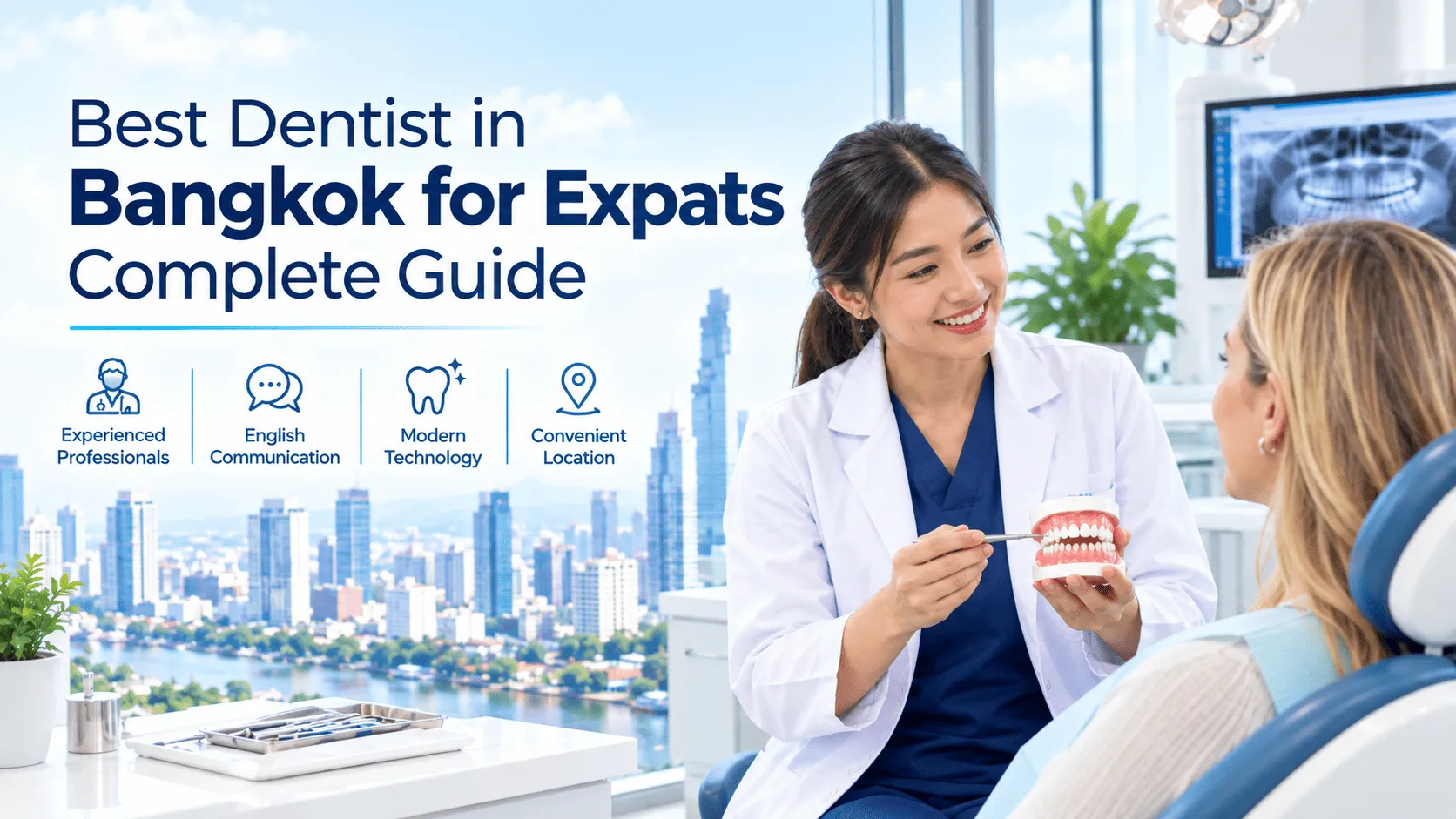
Finding a dentist in Bangkok is rarely difficult. The harder part is deciding who you can trust with your health, especially when you are an expat adjusting to life in Thailand.
You might start by searching for the best clinic or checking online reviews, but those alone cannot tell you whether a dentist will listen to your concerns, explain your options clearly or provide the right care for your needs.
If you are looking for a dentist in Bangkok for expats, there are a few practical things worth checking before you book.
Is a Five-Star Rating Enough to Choose a Dentist?
Online reviews can help you build a shortlist, but they should not be the only reason you choose a clinic. A positive review may reflect friendly staff and a comfortable visit, but it cannot independently confirm whether a particular treatment is suitable for you.
When browsing reviews, look for consistent patterns:
- Do patients mention clear diagnostic explanations and transparent pricing?
- Does the clinic communicate respectfully and offer helpful follow-up care?
- How does the clinic respond to feedback or patient concerns?
Rather than looking for a perfect rating, focus on whether the information available gives you confidence to ask questions and make an informed decision.
Can You Communicate Comfortably With Your Dentist?
For expats, clear communication is one of the most practical parts of dental care. You need to explain symptoms, understand the diagnosis and know what a proposed treatment involves.
An English-speaking dentist can make these conversations easier, but speaking English is only the starting point. Your dentist should also explain unfamiliar terms in simple language and give you enough time to ask questions.
Before booking, check whether you can:
- Explain your dental concern without feeling rushed.
- Understand the recommended treatment and available alternatives.
- Discuss possible risks, expected outcomes and costs.
- Ask questions about recovery and follow-up care.
If you need language support, ask whether an interpreter is available. You should leave the consultation understanding what happens next, rather than feeling unsure about what you have agreed to.
How Can You Check a Dentist’s Qualifications?
A clinic’s website may look professional, but it is still worth checking the qualifications of the person who will actually treat you. Dentists practising in Thailand must hold the appropriate professional licence.
You can ask for the dentist’s full name, qualifications and relevant experience. For specialised procedures, such as dental implants, root canal treatment or complex restorative work, ask about additional training and experience in that area.
It is also useful to distinguish between the clinic’s reputation and the treating dentist’s expertise. A well-known clinic does not automatically mean every dentist there has the same training or experience.
For more involved treatment, you can seek a second opinion if the diagnosis or proposed plan is unclear.
What Should a Good Dental Treatment Plan Include?
A good treatment plan should explain what problem the dentist has identified, what treatment is recommended and why that approach is appropriate. It should also outline the alternatives, expected appointments, potential risks and likely costs.
Before approving treatment, ensure your estimate includes:
- Diagnostic Findings: Clear explanations of X-rays or 3D digital scans.
- Treatment Options: Including conservative or less invasive alternatives.
- Itemised Costs: Clear breakdowns of consultation fees, materials, lab charges, and temporary restorations.
- Follow-Up & Maintenance: Instructions on expected healing times and review visits.
Never feel pressured into approving extensive treatment on your first visit. Take your time to review the plan and decide whether you are comfortable proceeding.
Dental Cost Guide: What to Expect in Bangkok
Dental fees in Bangkok vary based on clinic location, material quality, and specialist experience. Here is a general reference guide for typical expat dental fees in Thai Baht (THB) and approximate conversions:
| Dental Procedure | Estimated Cost (THB) | Estimated Cost (USD) | Estimated Cost (AUD) |
| Routine Checkup & Cleaning | ฿1,200 – ฿2,000 | $35 – $60 | $50 – $85 |
| Composite Dental Filling | ฿1,500 – ฿3,000 | $45 – $90 | $65 – $130 |
| IPS E.max Porcelain Crown | ฿12,000 –฿16,000 | $350 – $470 | $515 – $685 |
| Zirconia Crown | ฿14,000 –฿18,000 | $410 – $530 | $600 – $770 |
| Single Dental Implant (Titanium + Crown) | ฿45,000 –฿65,000 | $1,320 – $1,900 | $1,920 – $2,780 |
Note: If you hold international health insurance, confirm directly with your insurer regarding reimbursement policies and required paperwork.
Looking for specific clinic pricing? You can check the full dental cost of treatment on Dr. Sunil International Dental Clinic’s official pricing page to explore updated package details and material options.
Does the Clinic’s Location and Convenience Matter?
Yes, particularly if you live in Bangkok and need regular appointments. A clinic close to your home, workplace or BTS or MRT station can make routine check-ups easier to maintain.
However, convenience should be balanced with the type of care you need. For a straightforward cleaning, a nearby clinic may be practical. For complex treatment, the dentist’s relevant experience, the proposed plan and the clinic’s ability to provide appropriate follow-up may matter more than travel time.
Also consider appointment availability, opening hours and how easily you can contact the clinic if you have a concern after treatment.
What Happens After Your Dental Appointment?
Your relationship with a dentist should not end when you leave the chair. Clear aftercare instructions and a practical way to ask follow-up questions are especially useful if you need several appointments or ongoing treatment.
Before starting treatment, find out how the clinic handles post-treatment discomfort, unexpected problems and changes to your treatment plan. Ask when you should return for a review and which symptoms require prompt attention.
If you expect to move to another part of Thailand, travel frequently or eventually leave the country, request copies of relevant dental records, X-rays and treatment details. These can help another dentist understand your previous care.
How Do You Know You’ve Found the Right Dentist?
The right dentist is not necessarily the one with the highest rating, the most impressive website or the lowest price. It is the one who can explain your dental condition, discuss suitable options, answer your questions and provide a clear plan for treatment and follow-up.
For expats living in Bangkok, these details can make routine dental care easier to manage and more complex decisions less confusing.
If you are looking for a dental clinic in Bangkok, Dr. Sunil International Dental Clinic can be one option to consider. You can discuss your dental concerns, ask about suitable treatment options and clarify the expected process before deciding how to proceed.
Frequently Asked Questions
1. How do I choose a reliable dentist in Bangkok as an expat?
Check the dentist’s licence, relevant experience, communication, treatment planning, written fees and follow-up arrangements. Reviews can help you shortlist clinics, but they should not replace checking qualifications and discussing your own treatment needs.
2. Do dentists in Bangkok speak English?
Many clinics that serve international patients offer English-speaking dentists or staff. However, language ability varies, so confirm that you can comfortably discuss your symptoms, treatment options, costs and aftercare before booking.
3. How can I verify a dentist’s qualifications in Thailand?
Ask for the dentist’s full name and professional registration details, then check their registration through the Dental Council of Thailand’s official resources. For specialised treatment, also ask about relevant additional training and experience.
4. Should I choose a dentist based on price or reviews?
Neither should be the only deciding factor. Compare written treatment plans, qualifications, communication, total fees and follow-up arrangements. A low quote may exclude additional services, while a high rating does not independently establish clinical suitability.
5. What should I ask during my first dental consultation?
Ask what the dentist has found, why treatment is recommended, what alternatives are available, how much it is expected to cost and what follow-up care you may need. For complex or irreversible treatment, consider getting a second opinion before proceeding.